
What is the difference between hand and surface disinfection?
At first glance, there seems to be little difference between products for hand disinfection and those for surface disinfection . Both surface disinfectants and hand disinfectants serve to destroy harmful viruses, bacteria, fungi, and spores. Many users therefore wonder whether they can use a product intended for surfaces to disinfect their hands or treat surfaces with hand disinfectants.
There are indeed some differences between hand disinfection and surface disinfection. It is not advisable to use the substances for another purpose, because disinfectants do not bear their respective names without reason. They should only be used for the expressly intended purpose stated on the label .
Difference between hand disinfection and surface disinfection
Hand disinfectant
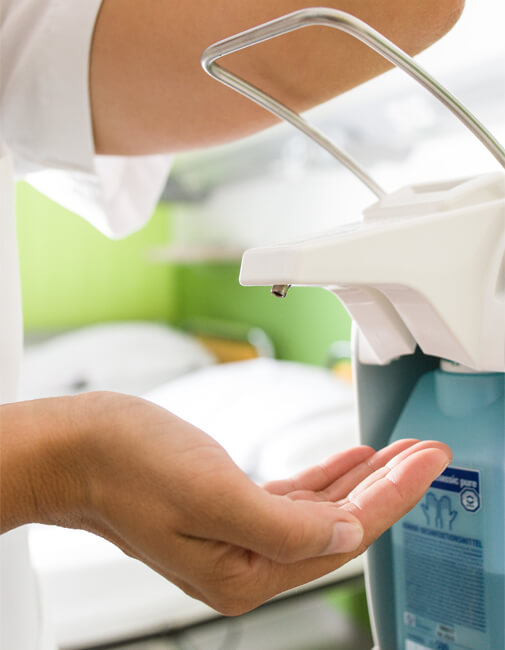
Medical hand disinfectants are intended to kill harmful germs on the skin within 30 to 90 seconds. Complete virucidal efficacy is achieved only by products that eliminate enveloped and non-enveloped viruses. Most available preparations use alcohol (for example, isopropanol) or iodine-containing compounds for rapid efficacy. Additional residual active ingredients such as chlorhexidine or octenidine ensure that the treated area of skin remains free of germs for longer after the fast-acting ingredients have evaporated. Surfactants are added to enable optimal mixing of the various substances.
Since these ingredients can dry out and irritate the skin, especially with frequent hand disinfection, many skin and hand disinfectants also contain additional moisturizing substances such as fatty acid esters or fatty alcohols. In addition, some skin disinfectants contain perfume or colorants. These additives represent an important difference between hand disinfection and surface disinfection. This is because all these substances can, especially leave damage and unsightly marks on alcohol-sensitive surfaces and should therefore not be used for surface disinfection .
Hand disinfection for sensitive skin
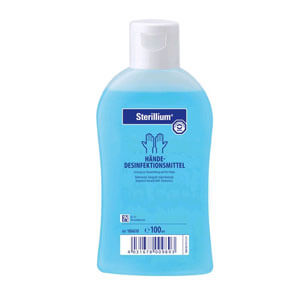
Sterilium hand disinfection for sensitive skin - limited virucidal
Dye- and fragrance-free hand disinfection
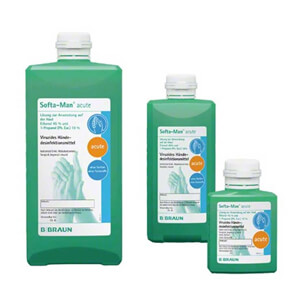
B. Braun Softa-Man® - virucidal
Care complex and high efficacy
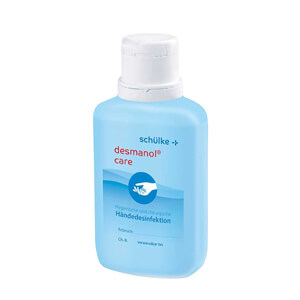
Schülke hand disinfection desmanol® care - limited virucidal PLUS
Surface disinfectants

Medical surface disinfectants are often much harsher than skin disinfectants, as most surfaces are significantly less sensitive than human skin. This applies especially to concentrates for surface disinfection, which can be diluted or used undiluted. When working with these aggressive products, protective gloves must even be worn - inhalation of the vapors from concentrated surface disinfectants must be avoided at all costs. Concentrates for surface disinfection must never come into contact with the skin or mucous membranes . They could cause irritation or, in the worst case, even chemical burns to sensitive tissue.
Even ready-to-use solutions for surface disinfection with a lower concentration are not recommended for skin disinfection. Since these products are intended for surfaces, they contain no emollient substances to protect the skin from drying out.
Surface disinfection of non-porous surfaces
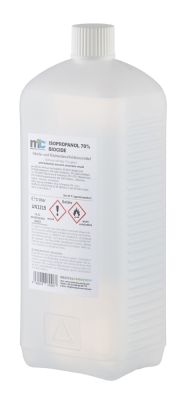
MC24® hand/surface disinfectant Biocide, bottle with spray attachment, 1 L
Rapid disinfection of medical devices
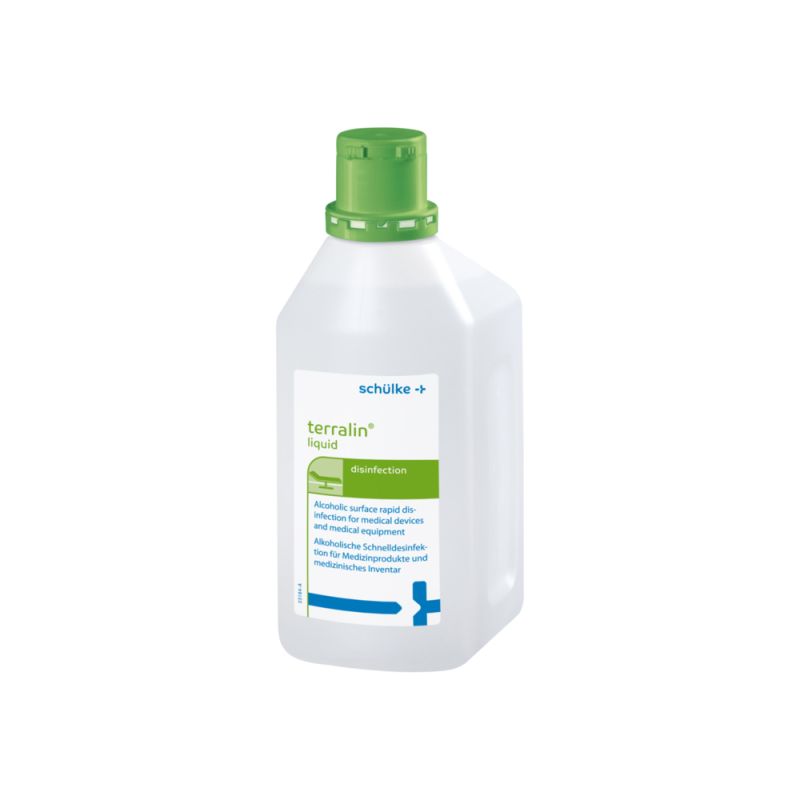
terralin® liquid rapid disinfectant, ready to use
For areas with an increased risk of infection
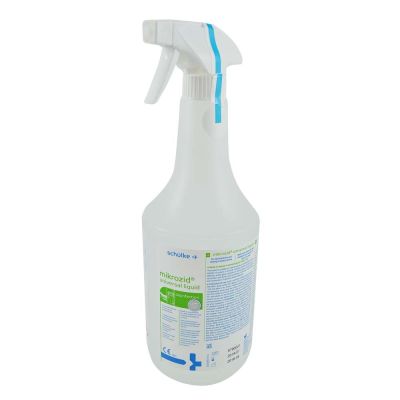
Schülke mikrozid® universal liquid surface disinfectant, dye- and fragrance-free
The difference between hand and surface disinfection
Conclusion: There are significant differences between hand disinfectants and surface disinfectants in terms of their chemical composition. For the sake of your health and to protect sensitive surfaces, we strongly recommend using disinfectants exclusively for their intended purpose!


